Event: 20th International Symposium on Microbial Ecology
|
1934 |
62 |
11 |
| delegates | countries | universities and research institutes |
Date: 16 to 21 August 2026
Venue: New Zealand International Convention Centre
Sector impact: Accelerated knowledge sharing and international collaboration in a field with global environmental and societal impact.
Microbial ecology is transforming our understanding of the natural world. From restoring ecosystems and improving food production to advancing biotechnology and human health, the field is helping address some of the world's most pressing environmental and societal challenges.
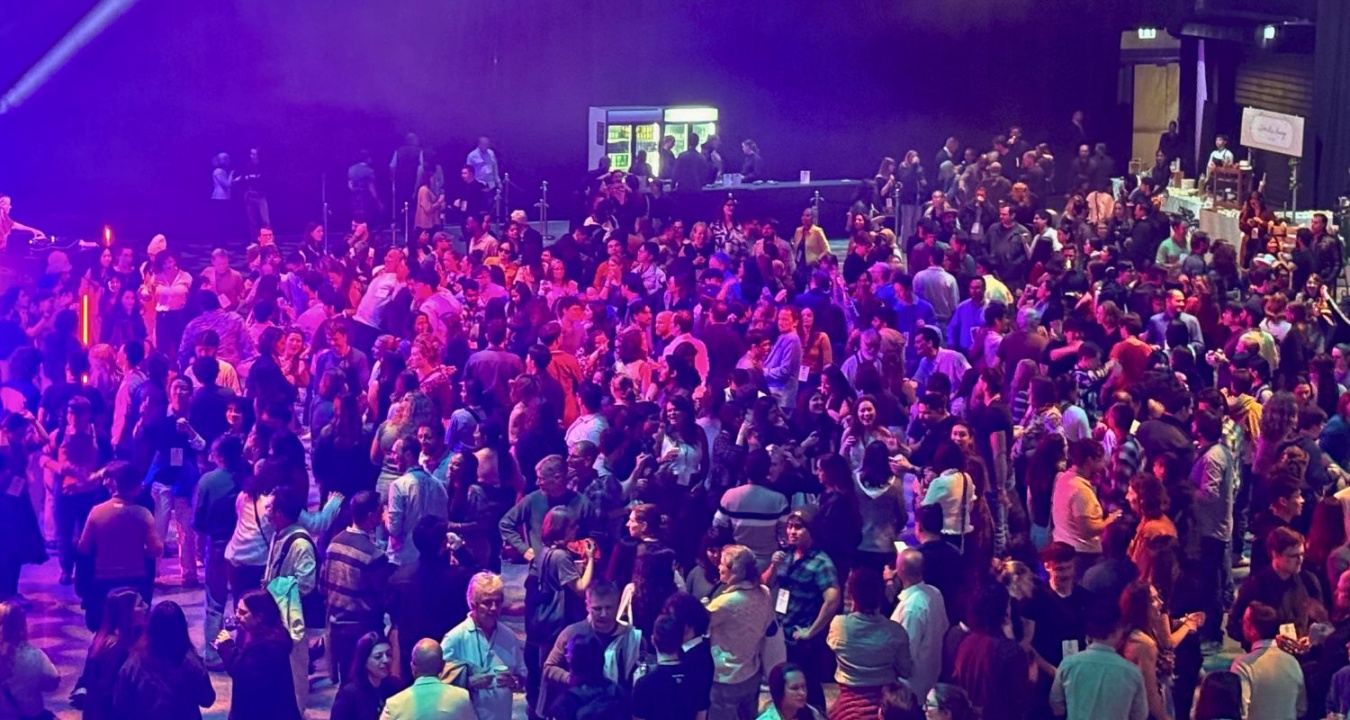
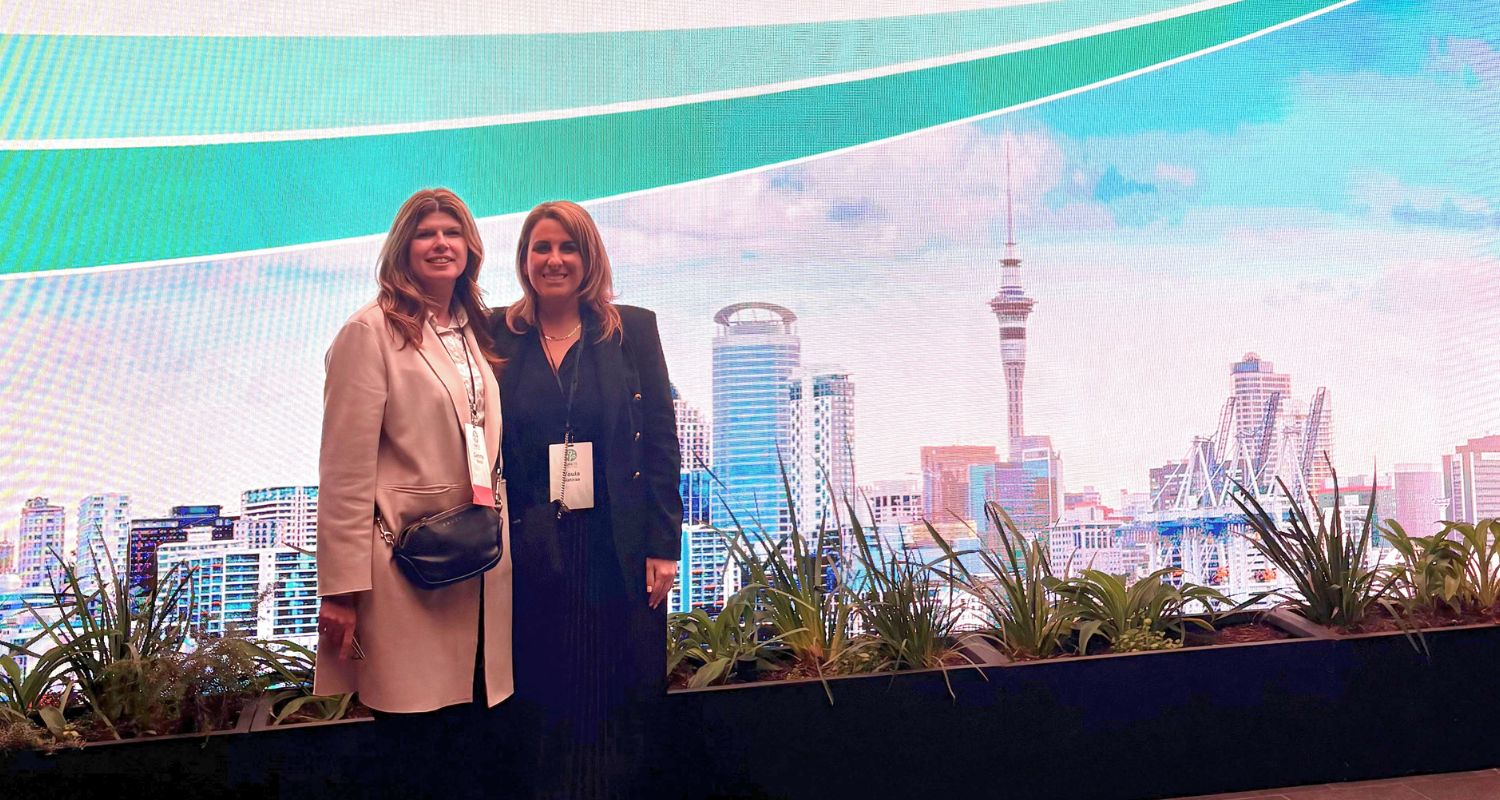
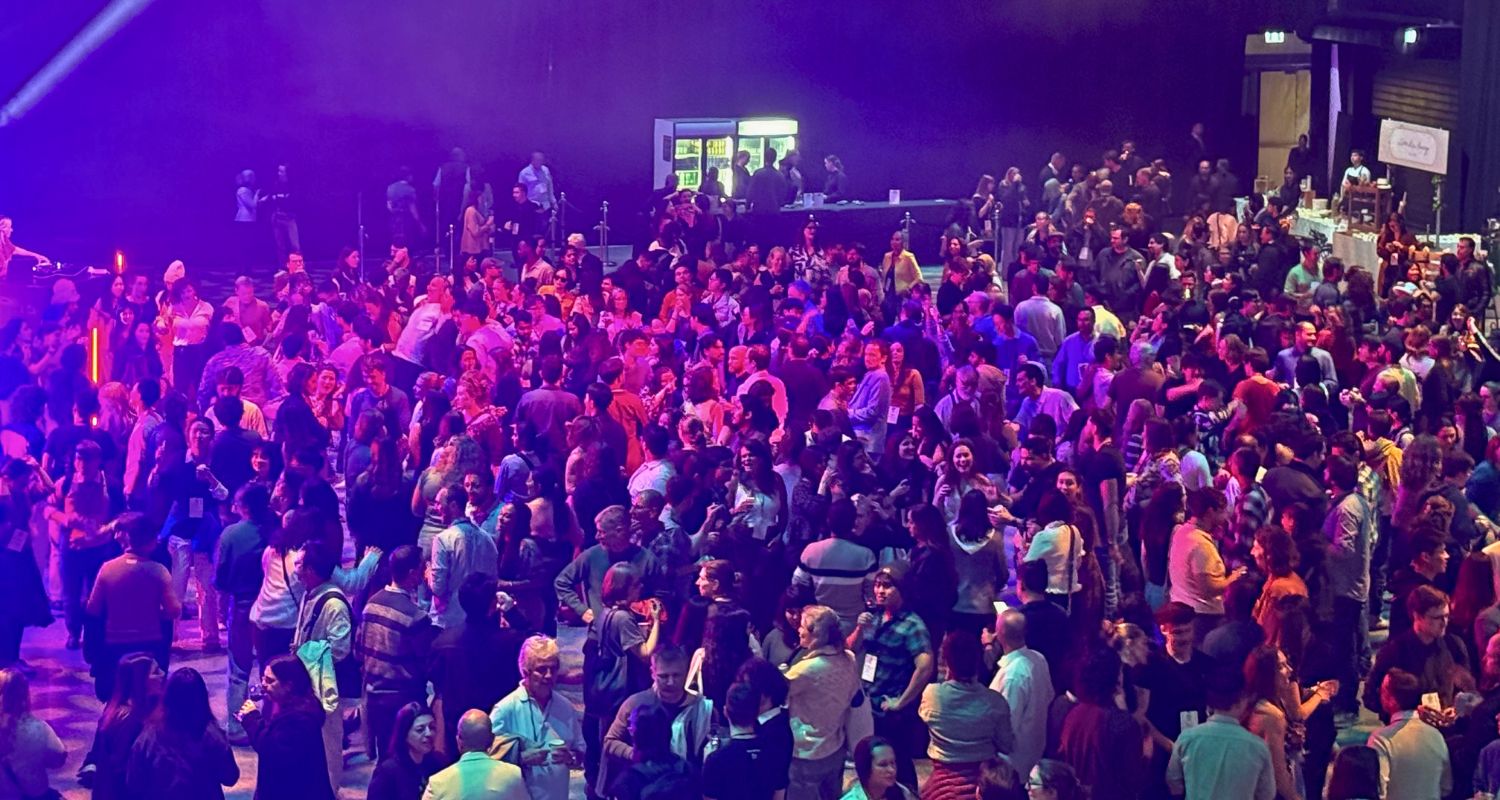
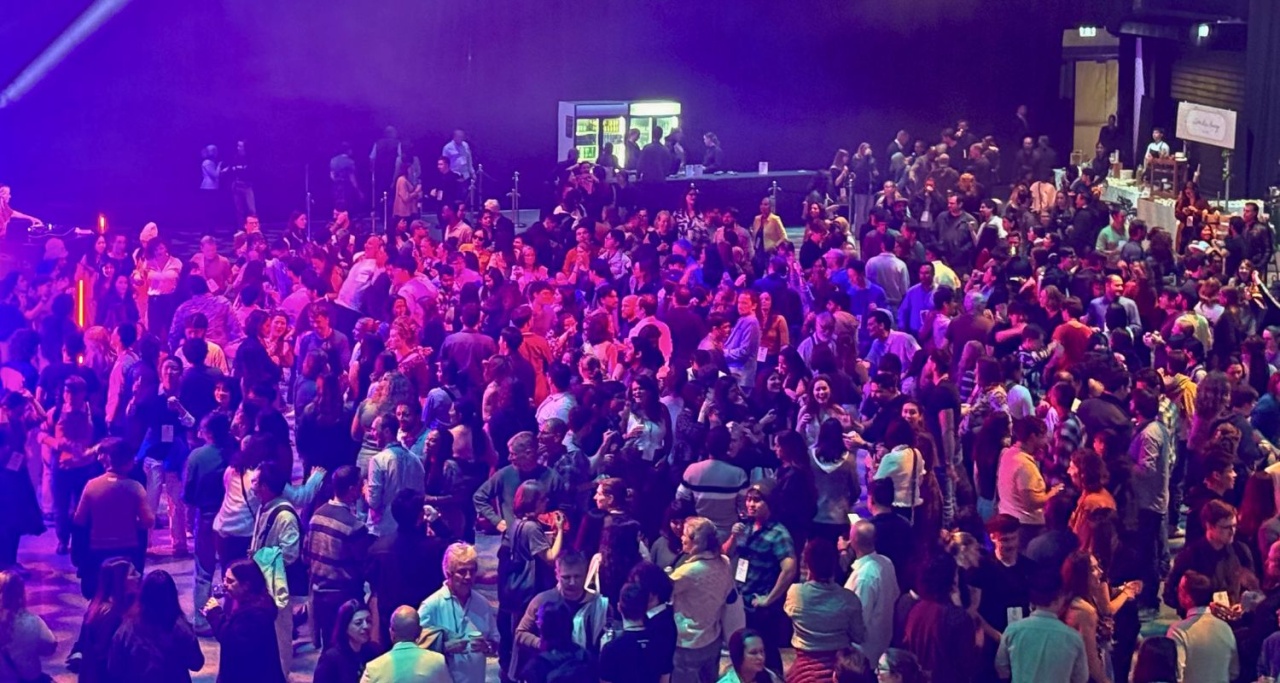
Recognising the value of bringing the global scientific community together, the 20th International Symposium on Microbial Ecology (ISME20) chose Tāmaki Makaurau Auckland to host the world's leading researchers in the discipline. Held at the New Zealand International Convention Centre (NZICC), with a gala dinner at Viaduct Events Centre, the symposium brought together 1934 experts from 62 countries to exchange knowledge, build international partnerships and showcase research shaping the future of microbial science.
Mike Taylor, Professor of Biological Sciences at the University of Auckland and Chair of the Local Organising Committee, says ISME20 provided the opportunity to connect local researchers with global leaders while showcasing local science.
“Bringing ISME20 to Tāmaki Makaurau was about more than hosting a world-leading scientific conference. It connected New Zealand researchers with international experts, showcased the strength of our research community and created opportunities for collaboration that will continue well beyond the symposium. Having the world's leading microbial ecologists here also meant our students and early-career researchers could engage directly with global leaders without leaving New Zealand,” says Mike Taylor.
Tāmaki Makaurau Auckland's combination of scientific capability, collaborative partnerships and world-class infrastructure made it an ideal host for ISME20. The region is home to a thriving research community, while New Zealand's distinctive terrestrial, marine and geothermal environments continue to inform internationally significant microbial ecology research.
The successful bid was supported by researchers from 11 universities and research institutes across New Zealand and Australia, alongside Tourism New Zealand and Auckland Convention Bureau, reflecting a collaborative approach that aligned with the symposium's international focus.
“Bringing ISME back to Aotearoa New Zealand has been 12 years in the making, so welcoming the international microbial ecology community here for its 20th symposium was incredibly special. The first symposium was held in Dunedin in 1977, and almost 50 years later we had the opportunity to showcase the strength of New Zealand's research community while building new international connections for the future,” says Mike Taylor.
Delivering a symposium of this scale drew on expertise from across Auckland's business events sector. Destination Partnership Programme partner AttendNZ supported ISME20 on the ground as destination management company, working alongside the organisers and event partners to help deliver the delegate experience.
Ken Pereira, Head of Business Events at Tātaki Auckland Unlimited, home of Auckland Convention Bureau, says Auckland's combination of research capability, international connectivity and collaborative partnerships continues to attract world-leading scientific conferences.
“ISME20 demonstrates why Tāmaki Makaurau Auckland is such a compelling destination for international conferences. Welcoming more than 1900 delegates from 62 countries demonstrates Auckland’s ability to attract a significant international audience, even for those travelling long distances. Auckland combines world-class venues, leading research institutions and partners who work collaboratively from bid through to delivery, creating conferences that deliver meaningful outcomes for host organisations, delegates and the wider community,” says Pereira.
ISME20 demonstrated the enduring value of bringing international scientific communities together in Tāmaki Makaurau Auckland. By connecting global experts with New Zealand's research community, the symposium strengthened international collaboration, showcased local scientific capability and created opportunities for knowledge exchange that extend well beyond the conference programme.
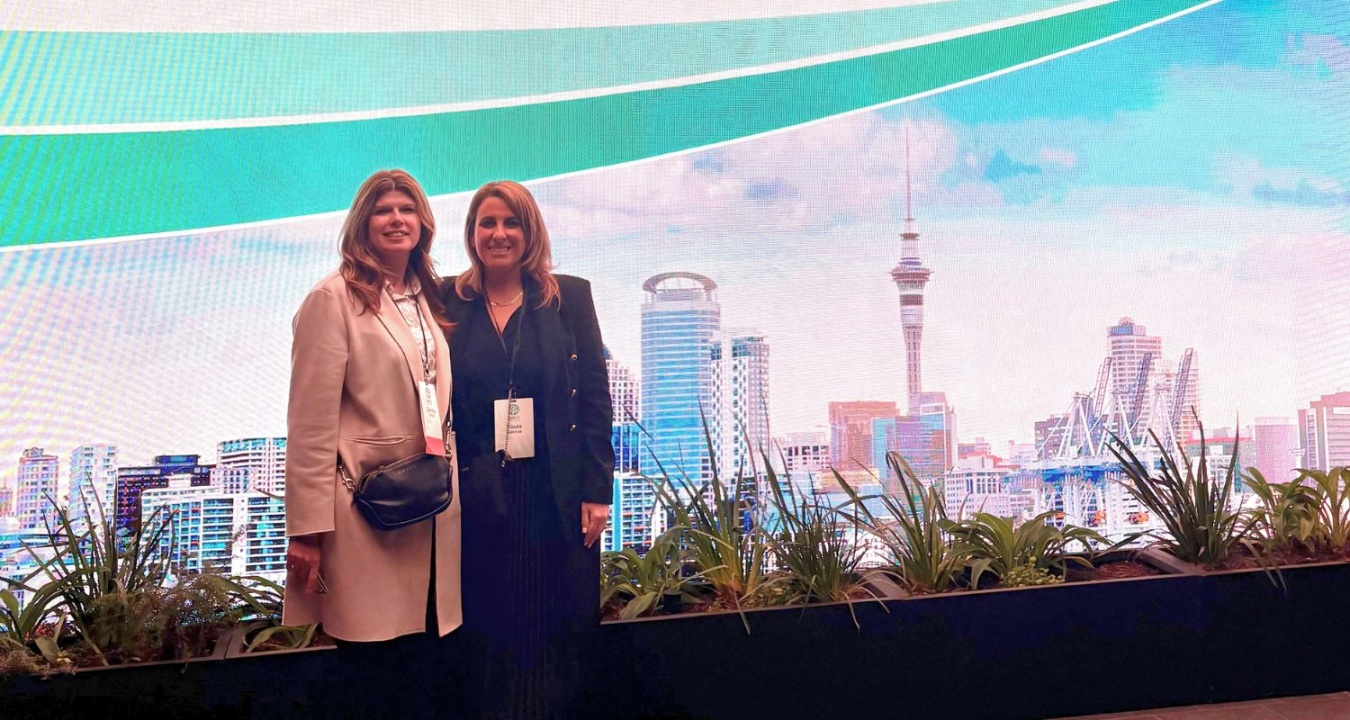
The symposium also created a tangible environmental legacy. Around 120 native plants, grown primarily by Te Whāngai Trust, a charitable trust specialising in growing native plants, were displayed throughout NZICC during ISME20. After the event, they were donated and planted by Conservation Volunteers New Zealand as part of a stream restoration project in south Auckland.
For Auckland, the symposium reinforced the region's reputation as a destination where conference facilities, leading research institutions and strong partnerships come together to deliver meaningful outcomes for delegates, host organisations and the wider scientific community.
If you’re planning a conference or gathering that blends purpose with place, Auckland Convention Bureau can help you bring it to life.
Contact us on meet@aucklandnz.com